Food after delivery: eat with benefit – grow healthy
Food after childbirth aims to restore the body, maintaining breastfeeding and child development. It should be full and without products causing gastrointestinal problems
Competent food after childbirth lays the foundation of the body’s restoration, protects against depression, chronic fatigue and helps to lose weight.
Problems of the first year
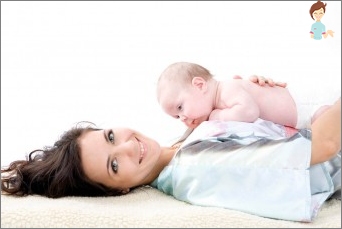 All women know that weight is recruited during the first year of breastfeeding due to the fact that:
- The young mother does not pour and hire sleepiness sweet;
- Child care takes all the time: it’s easier to make a sandwich than cooking buckwheat or cutlets for a couple;
- It is possible to eat only during a child’s sleep, for example, late in the evening, and these calories are inevitably postponed in the form of fat.
Therefore, the transition to proper nutrition becomes possible only in the presence of assistants who will provide a woman in food during the first two months of continuous concerns about the newborn.
Features menu for nursing women
Norms for a nursing mother immediately after delivery are associated with reinforced milk production. It is necessary to consume 500 calories more to keep breastfeeding.
There is a minimum number of bonds of protein, carbohydrates and fats, with which you can bring the figure to order and provide a sufficient amount of milk:
- Seven portions of protein food per day for a nursing mother: 30 grams of low-fat meat or fish, egg, half cup of beans, beans, chickpea or lentils;
- Three portions of dairy products: 150 ml of milk or unsweetened yogurt, 100 grams of cottage cheese, 30 grams of cheese;
- Four portions of KASH 130 grams, 1 slice of whole grain bread, 100 grams of macaroni or half of the pita – the total number of portions of carbohydrates should not be more eight, and only one of them can be bagel or sweet in the form of a cracker or a bubble;
- Vegetables and fruits with vitamin C: 150 ml of orange juice, grapefruit, tomato, alone fresh orange, kiwi or two mandarin, two tomatoes or 150 cabbage;
- Sources of vitamin A: Carrots, Salad from Chinese cabbage, 100 g of potato or pumpkin mashed potatoes.
- Other vegetables and fruits, to which apples, bananas, pears, corn, peas, onions, carrots, beets – any three options to choose from;
- Unsaturated and saturated fats: tablespoon of oil and one teaspoon of butter in porridge.
What is impossible after childbirth?
In the first days after childbirth, the hospital is engaged in hospital, preparing dietary dishes: mucous porridges, light soups and borshicles. Some women day after delivery are allowed only brows, compotes from dried fruits, oatmeal, if it is necessary to restore the body after severe childbirth or cesarean sections.
Otherwise you need to remember that childbirth is a natural process, and the child feeding is not a disease. The family history of allergies will also answer that the family history of allergies, which happens to fish, milk, nuts, nuts, will also be answered in food after childbirth. Of course, the products prohibited by the mother should be avoided.
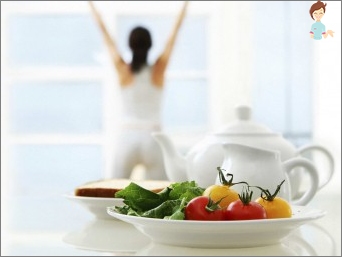
Modern mothers eat more difficult because the food purchased in stores contains many chemical additives that are not absorbed by the body and fall into breast milk. Therefore, it is helpful to avoid baking, multicomponent dishes (salads with mayonnaise, lasagna, pizza), ice cream, caffeine and carbonated drinks, sugar and bread from white flour, cheese, desserts and yogurts with sugar, canned, ketchups and sauces – all that is sold in packages, processed and is not part of a healthy eating.
Products that are hardly digested are also excluded for the first two months: fried potatoes, fatty pork and beef, fried dishes, mushrooms. The use of listed products is associated with bloating, constipation, depression, insomnia, irritability. Because of them increases the risk of colic in a child, the development of thrush.
Safety of vegetables and fruits
Vegetables and fruits are healthy carbohydrates that provide energy immediately after childbirth and in nutrition of a nursing mother, give the body of vitamins and minerals that women and child need. They also contain fiber to prevent constipation, especially After Cesarean and the introduction of anesthetic.
Approximately 500 grams of cooked vegetables and 300 grams of fruit per day – the norm for women after delivery. When choosing vegetation, you need to remember the pesticides used in growing. The top ten of the most polluted vegetation food includes imported apples, celery, strawberries, peaches, spinach, import nectarines and grapes, bridal peppers and potatoes.
The least remains pesticides in Luke, zucchini, melons, corn, asparagus, green peas, melons. Allergic reactions arising from a child when drinking fruits are associated with chemicals that farmers used. In the first days it is worth avoiding all the fruits, except apples and pears, and then enter them gradually, checking the child’s reaction.
How to say «No» Favorite food?
Sweets and caffeine cheat the body of young mothers, give temporary vigor, after which fatigue rolls with a new force. To avoid mood oscillations and postpartum depression, the principles of proper nutrition should be observed.
After giving birth, it is necessary to clean the diet from harmful products or at least minimize them, as well as to establish a convenient mode of meals:
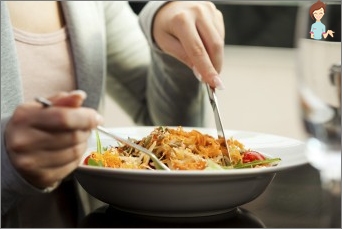 start a day with one cup of coffee but talk «No» second, third, fourth;
- instead of chocolates and cookies choose whole grain «Crustics» or solid grade cheese;
- Repeat for the child – to eat fractionally after childbirth, how to share food for 5-6 servings to keep the level of energy at the height, and the sugar level is stable;
- snack food with high protein and complex carbohydrates: eggs, vegetables, low-fat cheese, dried fruits;
- Drink plenty of water, as the liquid is lost and during childbirth, and in the process of milk generation: the norm may vary from 8 to 10 glasses per day.
Observing these rules, you will save the attractiveness of your figure and the health of the body. Health to you and your baby!