Do I need to do ktg during pregnancy?
What is necessary to pass the CGT pregnant women and what conclusions can make a doctor according to the results of the procedure
One of the most important studies during pregnancy is the cardiotokography (CTG), which allows you to estimate the state of the fetus and track the dynamics of its development. When this procedure is assigned, and what the results may indicate, we will tell us in our current article.
What is KTG
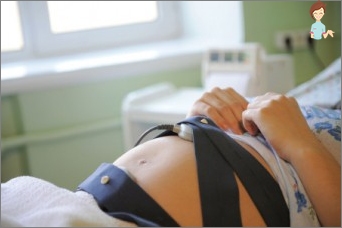 Cardiotocography is a type of medical examination, which must be carried out during pregnancy to assess the development of the future kid. The procedure involves monitoring the abbreviations of the mother’s uterus and measuring the cardiac rhythm of the child.
In importance, this study is in the same category with domestic and ultrasound. Timely conducting CTG during pregnancy makes it possible to identify deviations from future crumbs and find ways to solve the probable problems with his health.
As a rule, the deadlines of the first CTG coincide with 30 weeks of pregnancy, but if the pregnancy proceeds with complications, the doctor may give the direction and in earlier time. With the normal course of pregnancy, the study is made 2 times, but if there are any complications, the number of KTG is determined by the doctor.
Cardiography can be carried out during the birth. Especially, KTG during pregnancy makes when the baby has a campus of cord and requires constant monitoring of its condition during the generic process.
How to go through the CGT
One of the properties of this procedure can be called its absolute security for both the child and for the future mother. Before starting the procedure, the doctor tells how exactly the CTG is done during pregnancy.
The study involves connecting multiple sensors to pregnant belly, which allow you to get the necessary indicators. A procedure is carried out in a lying either by half.
The unit CGT consists of:
- Ultrasonic sensor, which makes it possible to fix the heartbeat of the crumbs;
- Pressure sensor measuring the frequency of the uterus.
The obtained data is reflected in the form of graphs and fixed on paper. The procedure, as a rule, takes from 30 minutes to an hour, and must coincide with the phase of fetus activity.
Who is prescribed examination
There are cases that doctors in the normal course of pregnancy may not appoint the CGT, but without this study it is not necessary if the following testimony is present in the future mother:
- There is a decrease in the activity of the fetus;
- The child wore the umbilical cord, as evidenced by the results of the ultrasound;
- The pathological indicators of the placenta are identified, which also shows an ultrasound;
- Increased or decreased volume of accumulating waters;
- There is a threat to the beginning of premature births;
- On the uterus there are scars;
- The future mother is patient with diabetes mellitus or suffers from hypertensive disease.
Also, if pregnant worries, and the deadline for the appearance of the baby to the light has already come, the CTG is done necessarily.
Preparation for the procedure
Before you go to the CTG, a woman needs to sleep well, mentally tear away from everyday worries and satisfy. Doctors recommend to the CTG to eat chocolate so that the child moves to the waking phase. Considering that the study takes a long time, it is necessary to pre-visit the toilet in order not to experience discomfort during CTG.
What do the results of the CTG say
 Since the results of the study are peculiar graphs with different lengths of the curves, their decoding – the case is quite responsible and requires the participation of a professional.
But some future mommies, having received the results of the study, it is not tolerated to find out that it shows the CTG during pregnancy, and whether everything is in order with their future kid. Therefore, consider the main indicators that you can read on the results of the survey.
To try to independently decipher cardiotockography, it is necessary to evaluate the main factors:
- Basal rhythm;
- Frequency of deviations from basal rhythm;
- Amplitude;
- Dynamics of change of heart abbreviations.
In this case, each indicator is estimated on a scale from 0 to 2 points, as a result, the scores in all indicators are summed up and give the final result.
Thus, the decoding of the CTG fetus during pregnancy can talk about the following:
- From 8 to 10 points – is considered an indicator of the norm;
- From 6 to 7 points – requires a more detailed examination. Speaks about the availability of possible deviations;
- 5 points and less – KTG bad, pregnant belongs to the risk group and requires urgent hospitalization.
Cardica rates
The rhythm of heart abbreviations of the child should be from 110 to 160 shots per minute. The graph is the alternation of high and low indicators. But the evaluation of the doctor is based on the calculation of the average value, which determines the basal rhythm.
In addition, the criterion of assessment is the variability of the cordial abbreviations of the baby. Deviations on the graph represent multiple small-type cloves, which within minutes should be no more than 6 pieces. This is a regulatory indicator from 32 to 39 weeks of pregnancy. If they are more, then we can talk about the bad result of the CTG during pregnancy.
However, simply considering the number of small teeth, it is not worth hasty conclusions, because it is necessary to evaluate and the existing departure amplitude. It is determined based on the calculation of changes in the average height of the teeth, and corresponds to the regulatory value from 11 to 25 shots per minute.
Negative indicators is the presence of a change in the height of the teeth at a mark from 0 to 10 beats per minute. But this indicator can be considered satisfactory if the baby is in a state of sleep or the term of pregnancy is not more than 28 weeks.
If this indicator exceeds a value of 25 strokes per minute, then there is a risk of a cruise of a cord child or the presence of hypoxia in the fetus.
But independently do final conclusions should not and decide that your KTG during pregnancy has bad results.
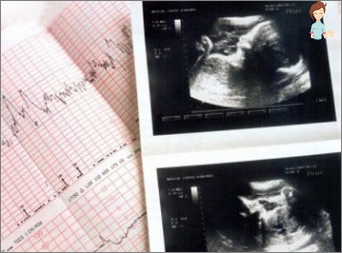 It is necessary to rely on the opinion of the specialist, since the results of the study need to be interpreted comprehensively and take into account the following factors:
- Possible effect of geomagnetic situation;
- The mood of the future mother during the study period;
- Whether the study coincided with the magnification phase of the crumbs either affected only the phase of sleep.
Thus, it can be concluded that the cardiotokography method is very useful to pregnant to determine the current state of the child and identify possible complications. This allows timely to take measures to eliminate risks for the mother and child, especially since the study procedure is completely painless and does not have a negative impact on the future kid.
Therefore, if the doctor invites you to go through the procedure and explains why Many pregnant CTG do, do not refuse, because it is necessary for the health of your future kid.
Health to you and your baby!