Elevated sugar during pregnancy: causes, symptoms, diagnosis, treatment
Causes of increasing sugar during pregnancy. Risk factors. Symptoms of blood sugar in pregnant. Diet and physical activity with elevated sugar. The need for insulin
Elevated sugar during pregnancy in medicine is called gestational diabetes. Its main difference from permanent form is that it occurs only during the period of tolerance and independently passes after the delivery. High blood sugar levels is dangerous for both women and fetal. Kid can add strongly in weight, which will lead to heavy childbirth.
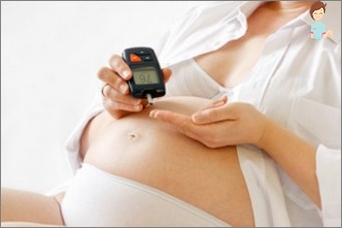 Hypoxia may also occur (lack of oxygen). But with a timely manner, adequate treatment is amenable to correction.
The risk of developing pathology can be reduced at the stage of planning a child, controlling weight, regularly engage in sports and adhering to healthy nutrition.
Why the glucose level increases?
Normally, this figure is controlled by the hormone insulin produced by the pancreas. Under its action, glucose from food goes into body cells, there is a decrease in its blood level.
Pregnancy hormones have the opposite insulin effect – increase this indicator in the blood. This increases the load on the pancreas and it may not cope with their work. As a result, the level of glucose begins to rise above the norm.
The increase can cause unwanted consequences for both the mother and for the fetus. Glucose penetrates through the placenta in the child’s blood and increases the load on it, not yet fully formed, the pancreas. She, in turn, begins to work more actively, producing insulin, accelerating the absorption of glucose, and turning it into fat. It leads to an excessive child’s height.
In addition, the acceleration of metabolism requires an increase in the amount of oxygen, but its receipt is limited. This process is lack of oxygen and, accordingly, fetal hypoxia.
Risk factors
What increases the chances of developing the disease?
- High degree of obesity;
- Gestational diabetes in previous pregnancy;
- Sugar in the urine;
- Polycystic ovarian syndrome;
- Sugar diabetes in close relatives.
If the age of a woman does not exceed 25 years, it does not have the complications of pregnancy in history and it does not have the above factors, the risk of developing this state is minimized.
Symptoms of increased blood sugar during pregnancy
The light stage of the violation does not exhibit in any way, so the future mother may not suspect the presence of this state. It is for this reason that it is so important to pass tests.
With the slightest deviations in the results of the study, the observing gynecologist will appoint an additional analysis called «Glucose Tolerance Test». The essence of the study is to measure sugar after the use of glass of water with glucose, and not on an empty stomach.
Normal indicator – 3.3-5.5 mmol / l. Violation of tolerance – from 5.5 to 7.1. Diabetes – more than 7.1 on an empty stomach and over 11.1 after glucose.
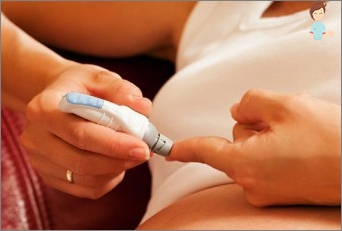 Since blood sugar level changes throughout the day, the results may be erroneous.
For more accurate diagnosis, a test for glycated hemoglobin is carried out. This study shows the level of glucose over the past 7-10 days.
If he at least once rose above the established norm, the test will determine. That is why this study is used to control the treatment of diabetes.
The average and severe degree of pathology is the following symptoms:
- Permanent thirst;
- Attacks of strong hunger;
- Frequent urge to urination, abundant amount of urine released;
- Violations of vision.
Since pregnant women thirst and increased appetite is normal phenomena, then only they cannot confirm the diagnosis. Therefore, regular research and inspections from the doctor will help prevent or identify the disease.
Diet with elevated sugar and other methods of treatment for pregnant women
The main task of doctors and women – support for indicators within the normal range throughout the entire time, both before meals and after that. It is recommended to adhere to fractional food, take food at least 6 times a day. This technique allows you to evenly distribute the flow of nutrients throughout the day, avoid harsh sugar jumps.
Diet at an elevated sugar level is based on exclusion from the menu of simple carbohydrates (confectionery, jam, sugar and t. NS.). The amount of complex carbohydrates decrease by 50%. It is necessary to refer to the dietary doctor to match the specific menu and the amount of calories.
Question of physical activity
Fresh air classes enrich the organism with oxygen, which is so necessary for the fetus. Regular walks will enhance its metabolism. In addition, physical exertion contribute to the expenditure of excess sugar, so its level falls.
Also, training will help get rid of extra calories, stop the increase in weight and even reduce such. Such events will allow insulin better to perform their work, because fat makes it difficult.
In most cases, physical exertion and diet eliminate the symptoms of gestational diabetes. At the same time, you do not need to exercise yourself with regular training or visiting the gym.
Usually there is enough walk in the fast pace. You need to do only 2-3 times a week for a few hours. Such classes contribute to calorie consumption and decrease in glucose to the norm limit, but need to comply with a diet, especially it concerns those who do not accept insulin.
Who needs to take insulin during pregnancy?
This substance is safe for a woman and a child. It is not addictive and completely canceled after delivery without any negative consequences. Apply in it when diet and activity do not give results. Sometimes the situation requires immediate appointment of insulin.
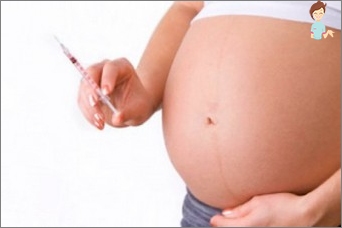 Insulin treatment should be carried out strictly by appointment of a doctor. It is necessary to perform its instructions, for example, you can not pass reception or change it. It is also important timely delivery of analyzes.
Women taking insulin, must measure sugar levels several times a day with a glucometter. The readings are recorded in the notebook, and then show the doctor during the next reception.
The effects of increased sugar for the fetus and women during pregnancy
The child may have a complex of damage, which in medicine is called diabetic phtopathy. First of all, it includes an increase in body weight. Uzi shows ahead of development after 20 weeks.
Usually, children in mothers with such a diagnosis have more than 4 kg of weight at birth. Big body weight increases rival injury risk, for example, the cervical vertebral submission.
Increased sugar can lead to various diseases, malformations. The imbalances of the skeleton, the pathology of the heart, brain and the urogenital system are often diagnosed. High risk of intrauterine fetal death, fatal outcome after birth and in the first week of life.
The cause of death after the appearance of light is usually underdevelopment of the lungs. In the process of childbirth, a child may suffer due to improper adrenal and liver.
Knowledge of birth
 Mostly women give birth naturally. The presence of gestational diabetes is not an indication for Cesarean section. The need for such an occurs if the child is too large for tribute. Therefore, sick women are more often appointed ultrasound.
When childbirth begin, doctors lead the glucose indicators in the body. If they significantly exceed the norm. The doctor prescribes intravenous insulin introduction.
At the same time they can register glucose in the dropper. It is also necessary to control the palpitations of the fetus using KTG. In the emergency situations are prescribed cesarean section.
A few days after the birth of the baby, the indicators come back. But the woman should be ready for the fact that during the next pregnancy, the deviation will be able to reappear. In addition, the risk of developing permanent diabetes in the future.